
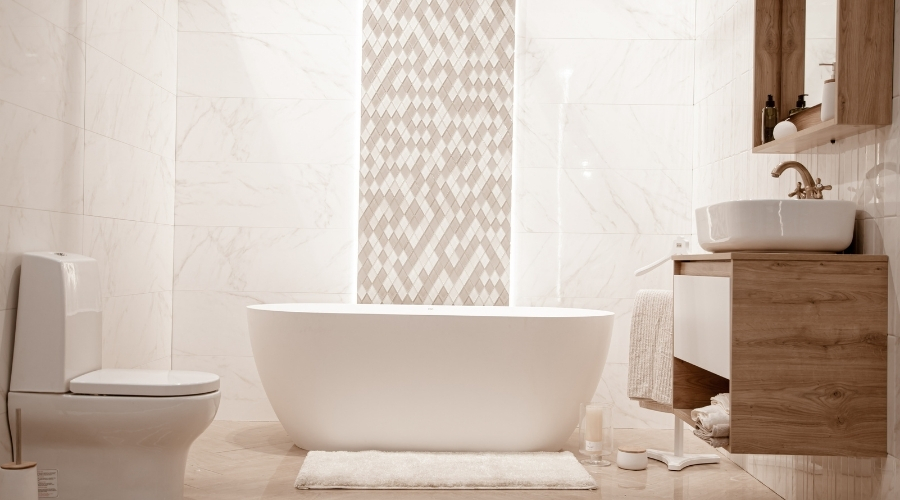
Give your bathroom a new look with planned changes to floors, walls, fixtures, lighting, and room layout. Bring the main parts together in a style that suits your home.
Replace an old shower or plan a new one that fits your bathroom. Review shower size, doors, wall tiles, fittings, and other details based on your space.
Update your bathing area with a new bathtub that suits the room. Review tub size, shape, placement, and the plumbing work needed for installation.
Improve your bathroom storage with a new vanity, cabinet, or sink setup. Choose a design that gives you room for daily items while keeping the space neat.
Replace old or damaged tiles with new surfaces for your floors and walls. Choose materials that suit wet areas and are easy to clean and care for.
Give your bathroom better light with suitable fixtures and well-placed lights. Update taps, shower fittings, mirrors, and other features to match the new look.
Cracked tiles, worn grout, and stained surfaces can make the bathroom look old. New tiles and fresh finishes can help improve the room.
Old shower fittings, poor water flow, or a damaged shower area can affect daily use. A shower update can help make the space more comfortable.
A small vanity or a lack of cabinets can leave personal items on counters and shelves. Better storage can help keep the room tidy.
Dark areas can make shaving, skin care, and other daily tasks harder. Better light near the mirror and sink can make the room easier to use.
A poorly placed sink, toilet, or bathtub can leave little room to move. A careful review of the layout can help make better use of the space.
Steam and poor ventilation can lead to damp surfaces, peeling paint, and mould growth. Suitable ventilation and attention to moisture can help protect the room.
Choose fittings and room layouts that make your daily routine more comfortable.
Add useful cabinets, vanities, and shelves to keep personal items close but out of sight.
New tiles, taps, mirrors, and finishes can give an old bathroom a clean new look.
Smart choices can help make a small bathroom feel less crowded and easier to move around in.
Choose shower, bathtub, and room features that suit the needs of your household.
Measure the room and review the position of the sink, toilet, shower, and bathtub before choosing a new design.
Check the water lines, drains, and plumbing access before moving or replacing major fixtures.
Plan suitable protection for shower walls, floors, and other wet areas. Check for leaks or dampness before installing new finishes.
Make sure the room has suitable airflow and enough light around the shower, mirror, and main work areas.
Choose bathroom surfaces that can handle water, daily use, and regular cleaning.
Set a budget for materials, labour, and extra work. Check local permit rules if the project includes plumbing, electrical, or structural changes.
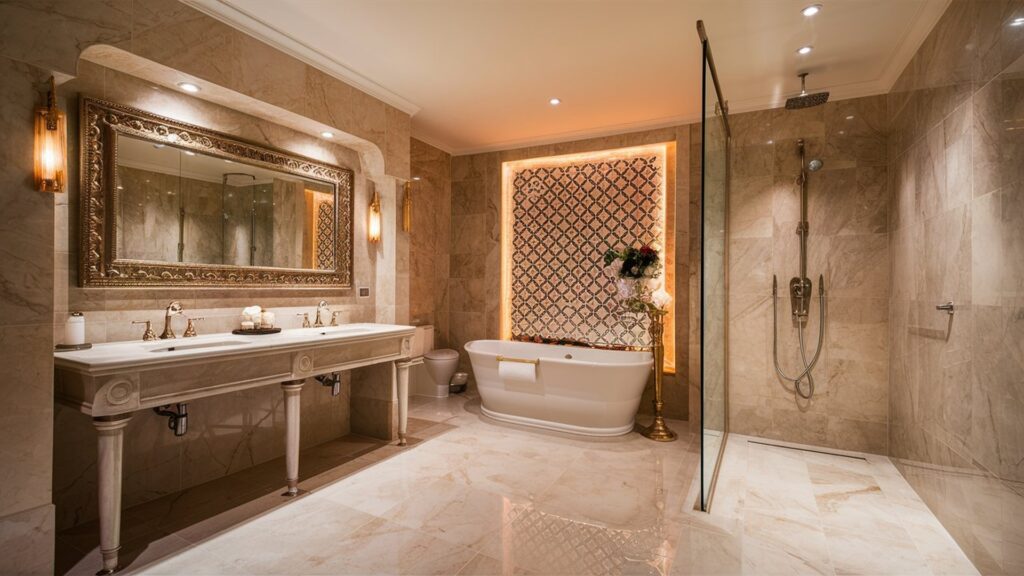
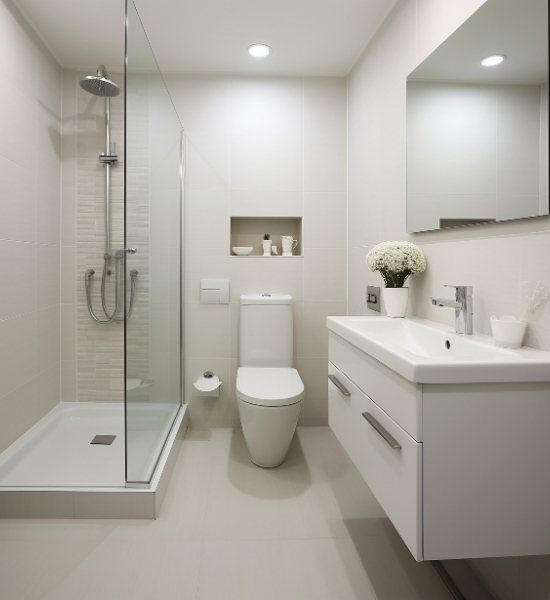
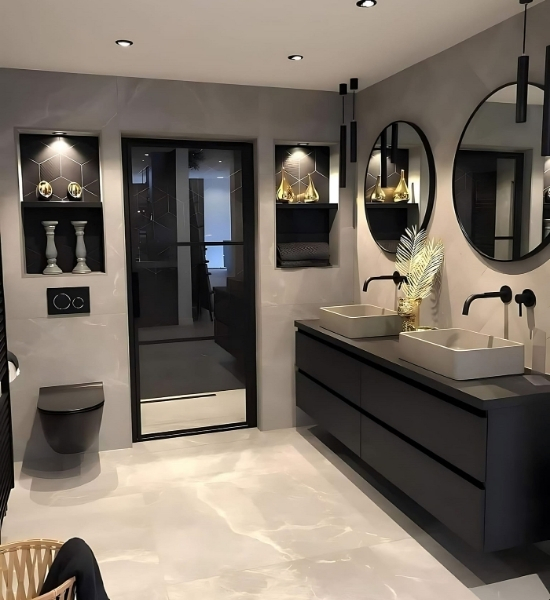
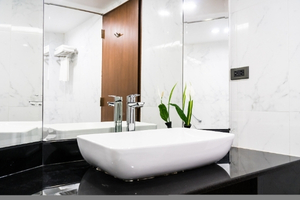
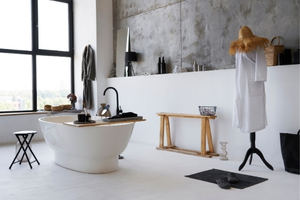
Tell us what you want to change, which fixtures need an update, and what kind of look you prefer. Share your budget and any concerns about the room.
Look at the room size, plumbing, drains, tiles, floors, ventilation, and current fixtures to understand the work needed.
Discuss the new layout, fittings, materials, and project scope. Review the choices and any permit needs before work begins.
Arrange the planned renovation tasks and required trade work in the right order, based on the agreed project plan.
Check the tiles, fixtures, shower, vanity, lighting, and other details against the agreed work before the project closes.